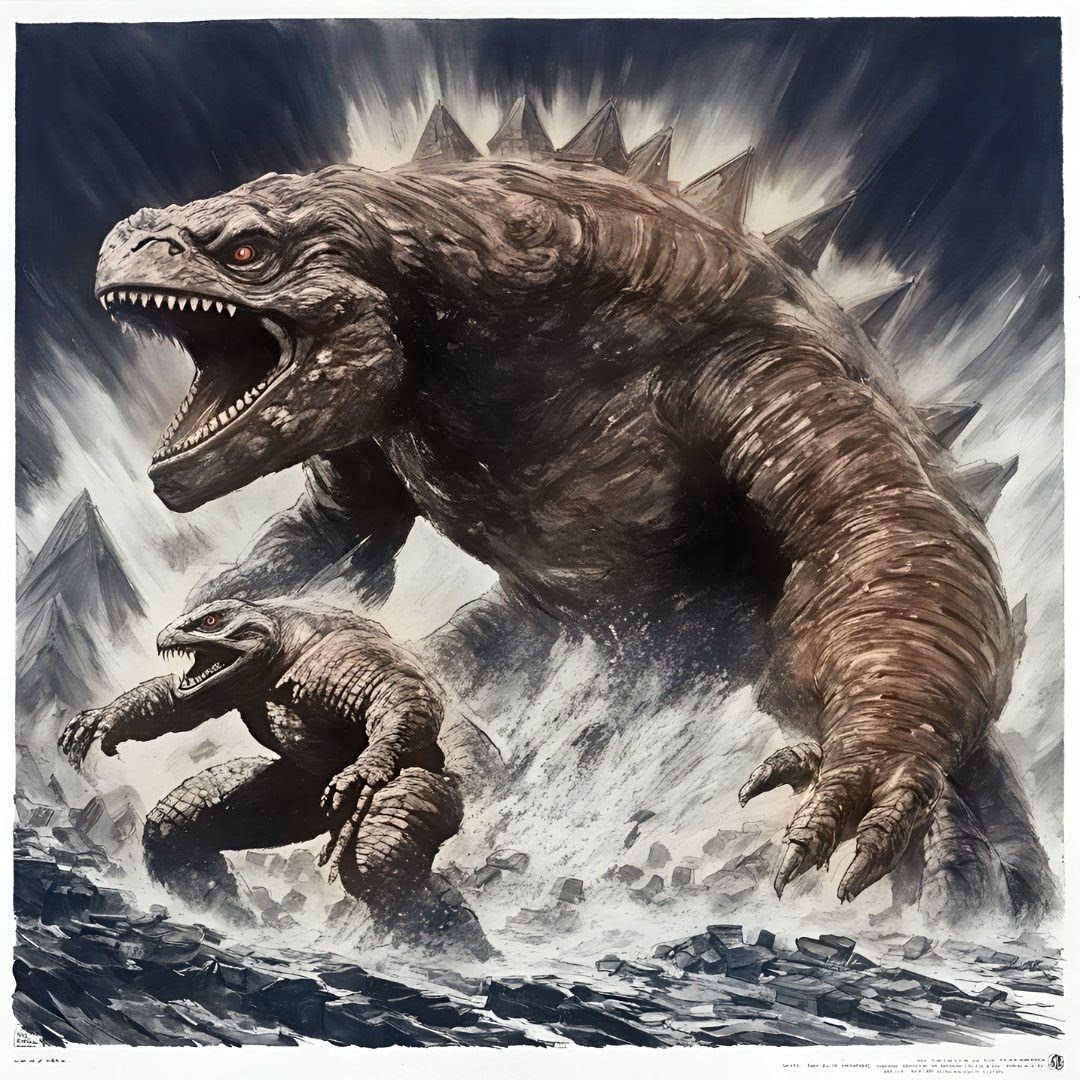
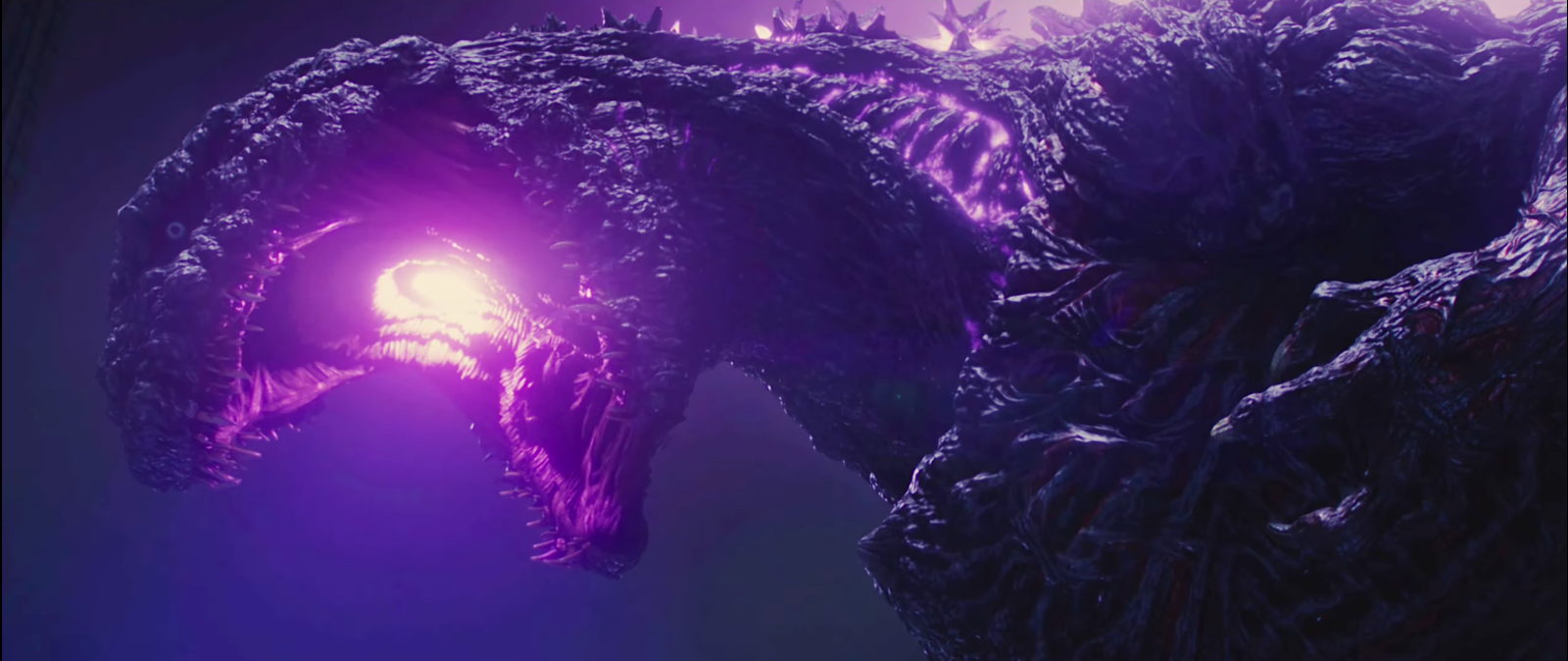
When Toho’s Godzilla Minus One took home an Academy Award and grossed over $115 million worldwide, it felt like the culmination of a broader tokusatsu wave. Between Legendary’s ongoing MonsterVerse, Hideaki Anno’s Shin Japan Heroes Universe, and streaming revivals like Netflix’s Gamera Rebirth, giant monsters and masked heroes from Japan seemed positioned for a global renaissance.
Yet, looking past the King of the Monsters reveals a striking paradox. While Godzilla dominates global box offices and pop culture discourse, iconic peers like Ultraman, Kamen Rider, and Gamera remain confined to domestic fervor or niche international fandoms. What we are witnessing is not a global tokusatsu boom, but a distinct phenomenon: Godzilla’s supremacy.
The Superhero Paradox: Bulletproof Icon vs. Genre Fatigue
The disparity between Godzilla and other Toku icons becomes sharpest when examining today’s pop culture landscape. In Western markets, tokusatsu suit-heroes like Kamen Rider and Ultraman naturally draw comparisons to Western superheroes. But as Western audiences grapple with “superhero fatigue” — a growing indifference toward formulaic comic book franchises — Japanese henshin heroes struggle to break through. Non-fans often dismiss them as television-bound or confuse them with Power Rangers, missing the nuanced themes and mature storytelling that define these characters in Japan.
Godzilla, however, operates on a completely different plane. Much like Batman or Spider-Man, Godzilla occupies a rare tier of brand bulletproofness. Regardless of which way industry trends blow or how oversaturated blockbusters become, audience appetite for the character remains immune to genre fatigue. Whether portrayed as a terrifying allegory of nuclear dread, a tragic anti-hero, or an apex predator fighting rival titans, Godzilla transcends typical genre tropes. He is a mythic, disaster-level force of nature that translates instantly across language and cultural barriers without requiring decades of deep lore investment.
The Shin Disconnect: Domestic Phenomena, Niche Imports
Hideaki Anno’s “Shin” series provides a clear diagnostic for this divide. In Japan, Shin Godzilla (2016), Shin Ultraman (2022), and Shin Kamen Rider (2023) formed a holy trinity of high-art cinematic blockbusters, reimagining mid-century pop iconography for modern adult audiences through a mature, auteur lens.
Yet their international trajectories diverged sharply. While Shin Godzilla laid crucial groundwork for Toho’s global expansion and earned widespread critical acclaim abroad, Shin Ultraman and Shin Kamen Rider arrived overseas primarily as limited theatrical events aimed squarely at existing genre enthusiasts and art-house crowds.
The barrier lies in cultural specificity and framing. Anno’s takes on Ultraman and Kamen Rider rely heavily on deep-seated nostalgia for 1960s and 70s Japanese television tropes such as narrative rhythms, rapid dialogue, and visual language deeply baked into post-war Japanese pop culture, but inherently foreign to casual Western moviegoers. Without built-in childhood nostalgia, foreign audiences frequently view these films as quirky cult oddities rather than essential, cinematic viewing.
Decades of Hollywood Co-Signing and Legal Stagnation
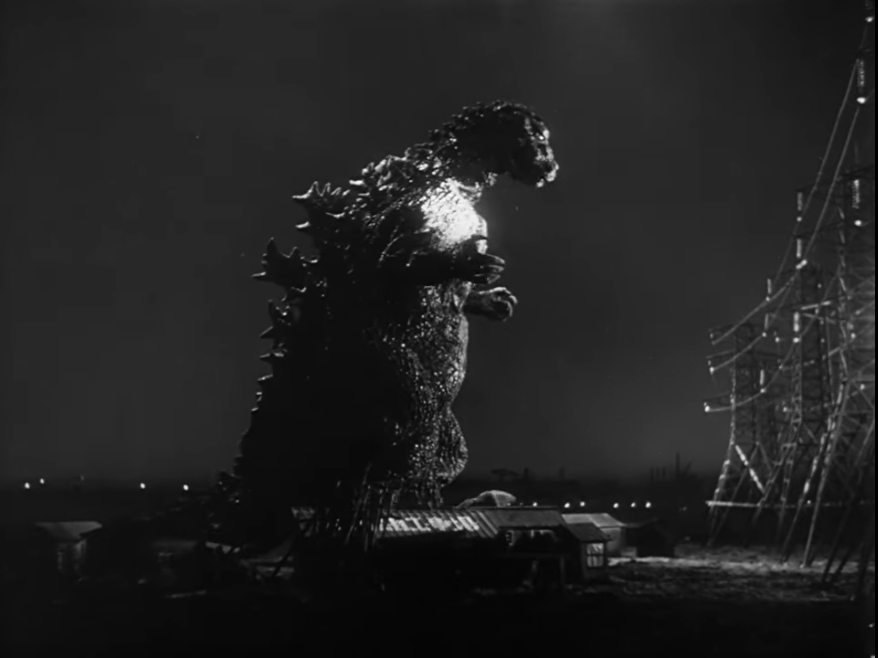
Godzilla’s unique position is also the result of continuous historical momentum and heavy corporate backing. Godzilla has maintained steady Western theatrical exposure since 1956’s Godzilla, King of the Monsters!. Decades of American distribution, combined with Legendary Pictures’ AAA-budget MonsterVerse, established Godzilla as a legitimised global cinematic franchise. Legendary’s Hollywood co-sign built a mainstream bridge that validated the character for casual viewers, eventually guiding general audiences directly into Japanese entries like Minus One.
By contrast, Ultraman and Gamera lacked that sustained global engine due to corporate and legal hurdles:
- Legal Gridlock: Ultraman suffered decades of international licensing stagnation due to protracted legal disputes over foreign rights, effectively sidelining the franchise during critical eras of home video, cable television, and streaming expansion when other Japanese IP flourished.
- Resource Disparities: Kadokawa’s Gamera lacks the vast financial backing and international distribution muscle of Toho. Lower-budget efforts like Gamera Rebirth suffer from compromised CGI and minimal global marketing budgets, keeping the Friend of All Children strictly in Godzilla’s giant shadow.
The Lone Titan
Ultimately, the dream of a unified global tokusatsu invasion remains just that—a dream. While Hideaki Anno’s reimagining of Japan’s classic heroes reinvigorated domestic cinema, and persistent industry rumors of new projects keep hope alive among hardcore fans, the mainstream global spotlight continues to belong to a single king.
Godzilla stands alone at the apex of international pop culture, sharing broad global dominance only with timeless titan brands like Batman and Spider-Man. For Ultraman, Kamen Rider, and Gamera, the global stage remains a distant horizon—leaving the Godzilla Exception firmly intact.
Leave a Reply