

For thirty years, slasher fans have clung to a single, unshakeable belief: Stu Macher survived the television set. Because, let’s face it — in the elastic logic of horror cinema, no one ever stays truly dead, especially a fan favorite. Given that, the producers at Spyglass and Paramount still have a chance to do in the flesh what they didn’t have the courage to do in Scream 7.
Bringing Matthew Lillard’s manic, iconic killer back as the ultimate final boss of the Scream franchise isn’t just something dedicated audiences are desperately begging for; it is a creative move that honors Wes Craven’s legacy and elevates the entire meta-slasher subgenre.
The Ultimate Meta-Trope: The Ultimate Final Boss
The Scream series has always thrived on tearing down and celebrating horror conventions. Yet, across six sequels, the franchise has hit a recurring wall: Ghostface fatigue. Every new chapter requires inventing fresh, often convoluted motives for a new pair of copycat killers — toxic redditors, vengeful relatives, or purist film nuts.
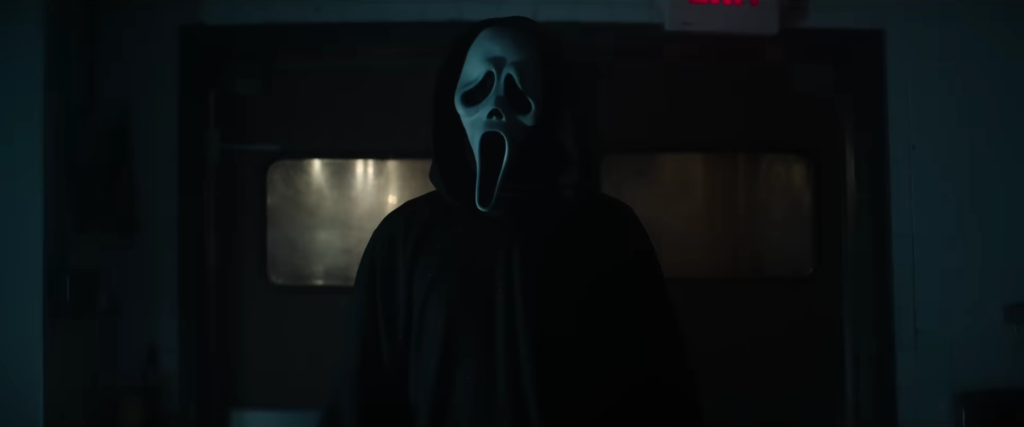
Revealing Stu Macher as the living mastermind operating quietly from the dark solves this structural issue in three key ways:
- It Honors the Genre: Horror and action cinema are built on the foundational rule that unless you see a corpse buried, the villain is fair game for a resurrection.
- It Connects the Decades: Framing Stu as a puppeteer who spent years nudging subsequent killers from behind the scenes turns an endless series of standalone whodunits into a unified, multi-generational conspiracy.
- It Honors Wes Craven’s Original Vision: Die-hard lore enthusiasts know that Lillard was originally contracted to return as the imprisoned cult leader in Scream 3, a storyline scrapped only after real-world tragedies forced the studio to pivot away from high school violence. Bringing him back fulfills a narrative thread Craven planted decades ago.
The Real-World Obstacle: Studio Friction and Creative Fatigue
While the creative justification for Stu’s return is airtight, the real-world execution is far more complicated, as Lillard’s relationship with the modern franchise apparatus has grown increasingly strained.
He has previously voiced creative fatigue with the series’ recent direction by publicly questioning moments like Scream VI’s shotgun-wielding bodega scene as a departure from the sharp, satirical tone that made the 1996 original a masterpiece, among several in Craven’s canon.
More recently, Lillard expressed deep, vocal regret over agreeing to participate in Scream 7, publicly admitting to feeling “ashamed” and “embarrassed” for stepping back into the fold after Spyglass Media’s controversial dismissal of lead actress Melissa Barrera. By unequivocally standing in solidarity with his former co-star and calling out studio leadership, Lillard made it clear where he stands.
If the Scream franchise ever decides to give the fans what they want and bring Stu Macher back as the definitive puppet master, studio executives will have to face a reality quite rare compared to any horror retcon: an actor who cares more about creative integrity and standing up for his peers than another easy paycheck.
Leave a Reply