Peacock and A24 are officially carving out an October 15, 2026, premiere date for their anticipated Friday the 13th prequel series, Crystal Lake, starring Linda Cardellini. Elsewhere, Miramax continues to mull a massive television expansion for the Halloween franchise.
These developments loudly declare one thing: The slasher gods are claiming their television thrones. And it’s about time; they stood idly by in rights limbo and legacy-sequel hell as Stranger Things spent years proving that long-form, serialized suburban dread is exactly what modern audiences crave before Netflix fumbled in that last season.
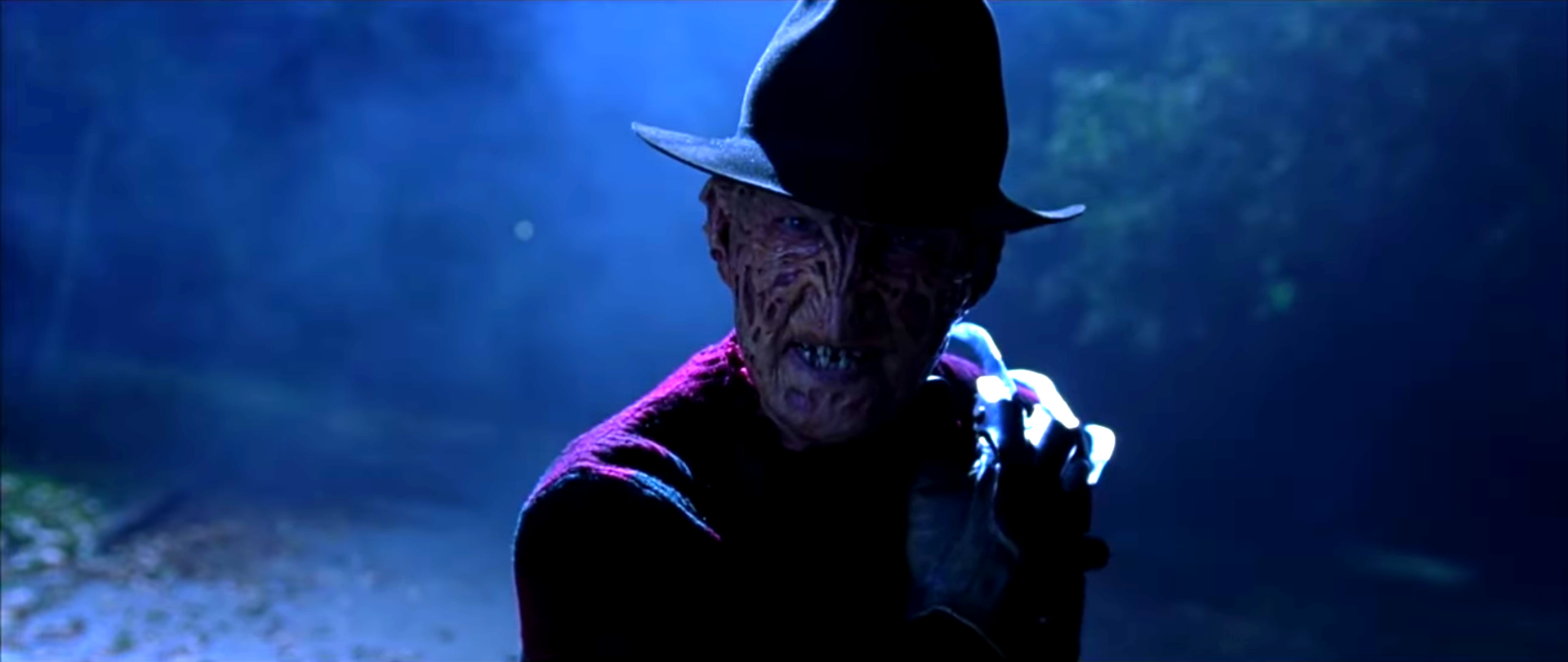
Yet as the genre undergoes a massive small-screen renaissance, horror’s most creative boogeyman remains trapped in that developmental purgatory. The wisecracking, knife-fingered killer whose torment and bloodshed are the stuff of Nightmares at a certain address hasn’t been seen since 2010. Of course, I’m talking about Freddy Krueger, who is in dire need of a reawakening, but in a bold way.
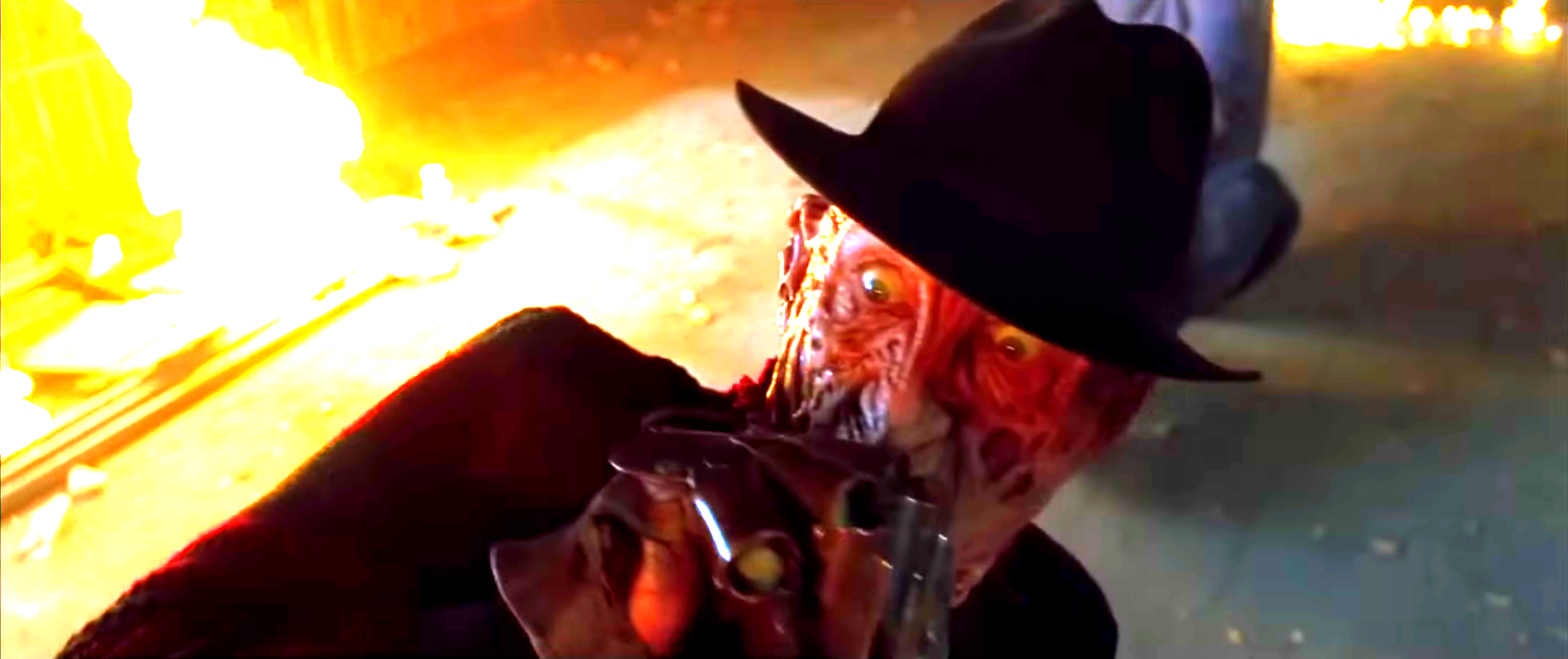
Paramount looks poised to take another sleep-inducing whack at the character by going back to the source, with a desperate New Line chasing their coattails, but regardless of who makes it to the finish line first, they fail to comprehend one thing. Bringing Wes Craven’s most iconic character back shouldn’t mean executing another standard, 90-minute paint-by-numbers rehash.
The movie market is exhausted enough as it is by repetitive slasher loops, especially with Ghostface still stalking dumb teens. If someone is going to resurrect A Nightmare on Elm Street and the bastard son of a hundred maniacs, it needs to look at the landscape of modern television and unlock the deepest, weirdest corners of the franchise’s forgotten lore to reach its true potential.
The blueprint – Springwood as a Quarantine Zone – was already laid out decades ago piecemeal. That leaves one massive, terrifying question mark hanging over the boiler room – why?
To reinvent Freddy for a sophisticated television audience, a new series shouldn’t just ask who he is hunting, but how his malice infects the environment. The architectural blueprint for this chaos was actually buried decades ago in the franchise’s oddest historical footnote: the 1988 syndicated disaster Freddy’s Nightmares.
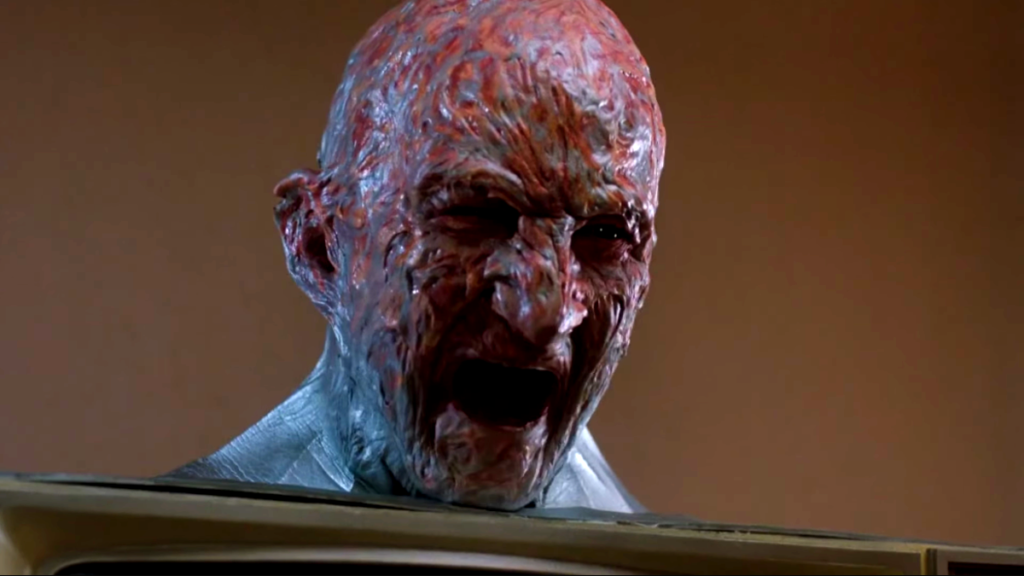
Most horror fans actively try to forget its cheap, campy messiness used primarily to let Robert Englund hurl terrible puns at the screen. But beneath the late-80s kitsch and bargain-bin budget lay a genuinely brilliant concept: Springwood wasn’t just a regular suburb. It was a cursed, reality-bending epicenter of madness.
Imagine a premiere season structured around a slick, contemporary, and topical presentation of the wacky Ohio town as a localized, government-mandated quarantine zone meant to contain you-know-who. What if Freddy Krueger isn’t just a ghost in a boiler room, but a psychological contagion? A literal mind virus that mutates within the town limits?
Borrowing from Freddy’s Dead, the show can treat Springwood’s dark history as a covered-up public health disaster where the youth population was systematically wiped out decades ago, hidden entirely from public record.
Inside this sealed petri dish, the institutional response relies on pure dystopian desperation. Forget doctors handing out individual prescriptions; the state has weaponized a synthetic variant of Hypnosil, say (the dream-suppressing drug introduced in Dream Warriors), that they pump directly into the municipal water supply.
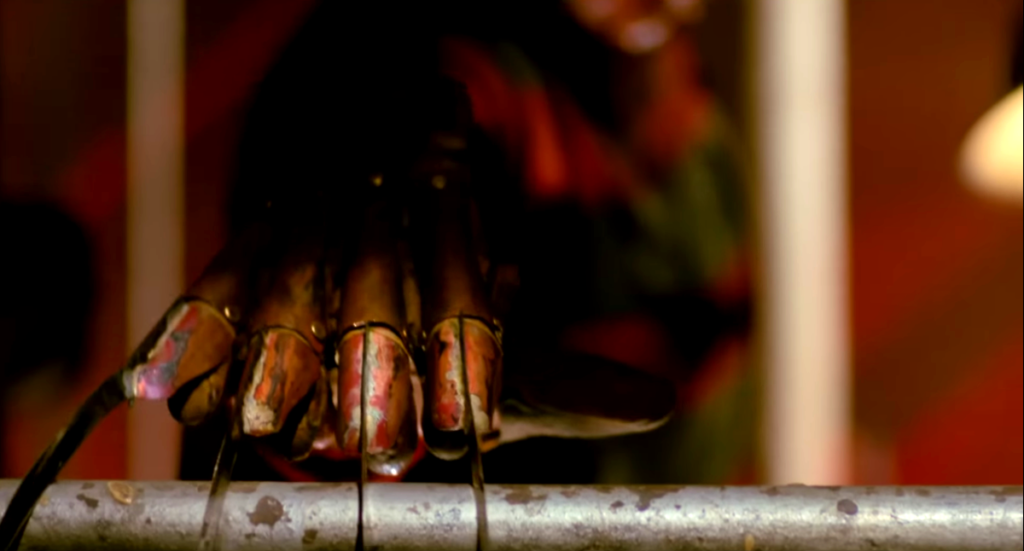
Springwood becomes a town trapped in a forced, dreamless coma every single night. It’s an entire generation living on a chemical leash, drinking the tap water just to guarantee a hollow, blacked-out sleep. They know the second the chemical levels drop and the subconscious dares to spark a single creative image, the sandman is waiting with a blade.
But what happens when the supply chain fractures? As established in Freddy vs. Jason, Krueger is utterly powerless if he is forgotten. Thus, the quarantine enforces a strict digital information blackout. Like viruses, though, these things tend to leak out through cracks in the system. This is where the episodic format can flex its muscles. A two-hour movie has to rush toward a final girl, but a TV series has the canvas to watch a town’s infrastructure slowly rot as Freddy’s frequency hijacks the grid.
The horror starts when the digital quarantine walls glitch. Imagine an old, analog pirate signal hijacking modern streaming feeds and local podcasts with a corrupted, looping broadcast of the classic skipping-rope rhyme cutting through the static. Just like that, the virus leaks. Anyone who tunes in is instantly infected by the memory, handing Freddy a fresh, high-speed connection straight into their subconscious.
The absolute pinnacle of this episodic breakdown could be set entirely at 30,000 feet, taking a direct cue from the wildest ideas buried in the cheese of the original syndicated show. A commercial airliner flying over the Springwood airspace inadvertently intercepts a corrupted local radio frequency, drifting the pilots and cabin into a shared nightmare.
But Freddy doesn’t just crash the plane for a cheap body count. He uses the fuselage as a flying Trojan Horse, infecting the passengers as asymptomatic carriers. He lets them land, disperse, and return to their families across the country to spread the memory of the burned man in the fedora like a supernatural wildfire. It’s no longer a local haunting; it’s a global pandemic.
The timing for this kind of psychological survival horror has never been better – and not just for the timely novelty of Freddy becoming a curve to flatten. While Crystal Lake tackles a ’70s period-piece origin story, an Elm Street series has the unique opportunity to deliver a modern, high-concept thriller that trades simple jump scares for institutional paranoia and heavy atmosphere.
A Nightmare on Elm Street series shouldn’t play like a routine slasher. It should play like the Chernobyl of supernatural horror. By treating Freddy Krueger as a hostile threat to the nationwide suburban ecosystem rather than a cackling guy swinging his clawed glove, the franchise can finally break free of the stale nostalgic cycle and “never sleep again.” Better stay up late!
Leave a Reply